Give Your Old Cookware a Second Life Through Recycling
Don't let your unused or broken pots, pans, or baking sheets clutter up your kitchen or end up in the landfill. Learn how to recycle cookware, repurpose kitchen items, and support a greener planet.
Why Bother Recycling Old Cookware?
Over the years, even the most reliable cookware inevitably reaches the end of its useful life. Scratched non-stick surfaces, chipped enamel, warped bottoms, and broken handles are all signs it's time for an upgrade. But what should you do with your old pots and pans?
- Throwing them in the trash adds to the landfill problem and wastes valuable materials.
- Many types of cookware, especially metals, can be recycled or repurposed.
- Every recycled cookware piece reduces resource extraction and energy use.
Recycling cookware is an eco-friendly solution that benefits you and the environment. Whether your kitchen tools are stainless steel, aluminum, copper, or cast iron, you have options!

What Types of Cookware Can Be Recycled?
Before recycling, it's vital to identify what your cookware is made of. Here are some common kitchen items and their recycling potential:
1. Stainless Steel Pots and Pans
- Stainless steel is highly recyclable.
- You can take old stainless steel cookware to local scrap metal yards or municipal recycling centers.
- Be sure to remove any plastic or wooden handles when possible.
2. Aluminum Cookware
- Many baking trays, pans, and Dutch ovens are made from aluminum.
- Like stainless steel, aluminum is accepted at scrap yards.
- Aluminum recycling saves up to 95% of the energy it would take to make new metal.
3. Cast Iron Skillets and Pans
- Cast iron is virtually indestructible, making it valuable in metal recycling.
- If your cast iron is cracked or damaged beyond repair, it can be dropped off at a metal recycler.
- Alternatively, consider restoration or donating for reuse.
4. Copper Pots and Pans
- Copper cookware is rare and often collectable, but damaged pieces can be recycled.
- Separate copper from other attached materials for best results.
- Copper fetches a higher price at scrap yards.
5. Non-Stick and Teflon-Coated Pans
- Non-stick coatings like Teflon can't be recycled, but the metal beneath often can.
- Contact your local recycling provider regarding their policy on non-stick pans, as some do not accept them.
- Some specialty recyclers remove coatings before recycling the base metal.
6. Enamel and Ceramic-Coated Cookware
- Most recycling centers don't accept ceramics or enamel due to contaminant concerns.
- If the base is metal, it may be stripped and recycled; otherwise, consider repurposing (see below).
How to Prepare Old Cookware for Recycling
Proper preparation is key for giving your cookware a second life through recycling. Follow these steps for success:
- Clean Thoroughly: Remove any food residue, oils, or rust to prevent contamination.
- Disassemble: Take off plastic, rubber, or wooden handles and any non-metal parts. These should be disposed of separately according to local guidelines.
- Sort by Material: Group items by metal (aluminum, steel, copper, cast iron) to streamline recycling.
- Check Local Guidelines: Confirm what your area's recycling program accepts. Visit their website or give them a call.
If in doubt, contact a local scrap yard or metal recycling facility -- they will often take a wider variety of items than curbside bins.
Repurposing: Creative Ways to Reuse Old Cookware
While recycling is excellent, repurposing your old cookware can be even better! Here are some creative ways to keep old pots and pans out of the landfill:
Upcycled Garden Planters
- Drill drainage holes in your outdated pans and pots, then fill them with soil and your favorite plants.
- Cast iron pans and deep stockpots are especially good for large or deep-rooted plants.
Bird Baths or Feeders
- Set an old bowl or shallow pan on a tree stump or stand to create a charming bird bath.
- Alternatively, hang smaller pans from branches as unique bird feeders.
Wall Art or Clocks
- Paint or decorate a frying pan and add a clock mechanism for a statement kitchen clock.
- Arrange a collection of pans artistically on a wall for a rustic, upcycled look.
Workshop or Garage Organizers
- Mount muffin tins on a wall to organize nails, screws, and other small hardware.
- Use a large worn-out saute pan to corral garage tools on a workbench.
Arts & Crafts Projects
- Turn handles into hooks, old lids into chalkboards, or pots into children's drums for musical fun.
Repurposing not only reduces waste but also allows for personal creativity and can add character to your home or garden.
Where to Recycle Old Pots and Pans
Many people don't know where to start when it comes to recycling old cookware. Here are some leading options:
1. Municipal Recycling Centers
- Check your city or county website for guidelines on accepting metal household goods.
- Some curbside programs accept pots and pans (metal only; check for rules about non-stick coatings).
2. Scrap Metal Yards
- Scrap yards buy and process most metal cookware, including steel, aluminum, copper, and cast iron.
- Some even pay you for your old items!
3. Donation Centers and Charities
- If your cookware still functions, consider donating to thrift stores, shelters, or kitchens in need.
- Some organizations specialize in supplying essentials to those setting up new homes.
4. Manufacturer Take-Back Programs
- Certain brands offer take-back or trade-in schemes for worn-out cookware.
- For example, companies like Calphalon, Le Creuset, and GreenPan occasionally run recycling drives.
5. Specialized Recycling Events
- Check for community clean-up days, Earth Day events, or hazardous waste drop-offs -- they may accept cookware as part of larger appliance collections.
Special Considerations: Non-Stick and Coated Cookware
Non-stick pans with Teflon or similar coatings present challenges in recycling:
- Most municipal recycling programs do not accept non-stick coatings due to chemicals and contamination risks.
- Certain metal recyclers will strip the non-stick layer and recycle the underlying metal (call ahead to verify).
- Never burn or incinerate non-stick pans yourself to remove the coating, as this releases toxic fumes.
If your non-stick pans can't be recycled locally, consider them for repurposing (e.g., plant trays, craft supplies) or seek special waste collection services in your region.
Environmental Benefits of Cookware Recycling
Giving old pots and pans a second life isn't just about space-saving -- it's about making a difference. Here's how recycling cookware helps the environment:
- Conserves natural resources: Recycling metals reduces the demand for mining new ore and conserves energy compared to virgin production.
- Reduces landfill waste: Heavy, slow-to-break-down cookware adds weight and takes up space in our ever-growing landfills.
- Decreases greenhouse gas emissions: Recycling metals emits fewer greenhouse gases than manufacturing new materials from scratch.
- Supports the circular economy: Old pans can be melted and reformed into new products, extending their life indefinitely.
Sustainability starts at home. Each recycled pot or pan is a small victory for a healthier planet.
Cookware Recycling FAQs
Can I put my old pots and pans in the regular recycling bin?
Check local guidelines. Many areas require you to bring metal cookware to a special drop-off point, while others accept it curbside if handles and non-metal parts are removed.
Should I remove handles before recycling?
Yes, especially if handles are plastic, rubber, wood, or contain screws. These non-metal parts can interfere with metal processing.
Are there any brands that accept old cookware as part of recycling programs?
Some cookware manufacturers offer their own recycle or trade-in schemes. Check your cookware brand's website or customer service for current options.
What if my cookware is in good shape, just unwanted?
Donate it! Charities, thrift stores, or even neighbors may welcome gently used cookware. Always give it a good wash before handing it over.
How do I find a metal recycler near me?
Search online for "scrap metal recycling near me" or use local government resources for recycling locations. Be sure to call ahead for specific acceptance policies.
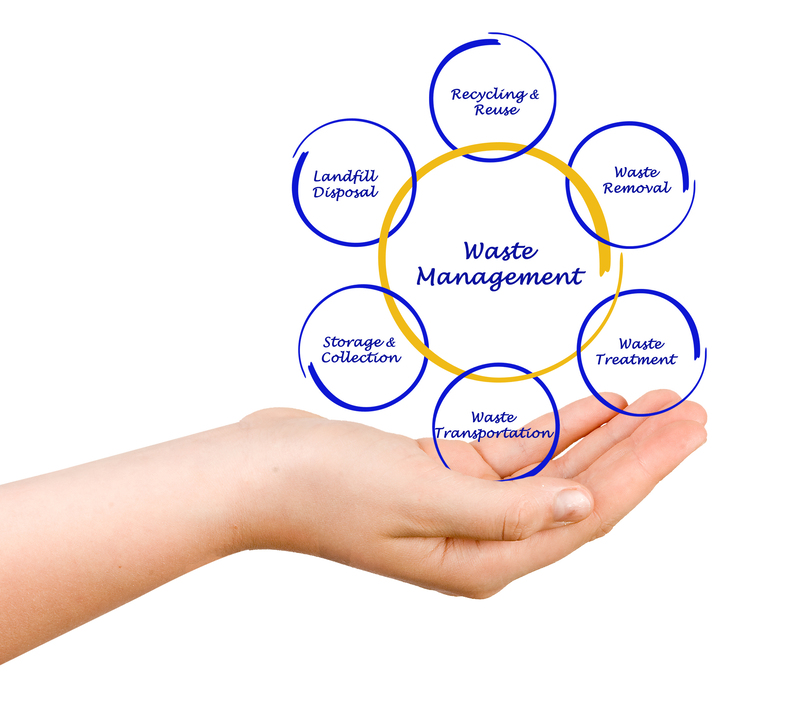
Key Tips for Cookware Recycling Success
- Research your cookware's material before recycling or repurposing.
- Remove all non-metal components and clean thoroughly.
- Remember: not all recycling programs accept every material, especially coated pans.
- Consider creative upcycling before tossing anything out.
- Donate usable items to extend their life and benefit others.
Conclusion: Cookware Recycling Gives More Than a Second Life
Before sending another pot, pan, or baking sheet to the curb, think twice about its journey. Giving your old cookware a second life through recycling is a meaningful and practical step towards reducing waste and conserving resources. From recycling at your local scrap yard, finding imaginative reuses, to donating or using brand take-back programs, each action makes a difference. Your choices not only keep your home organized and clutter-free, but also support global efforts for a cleaner, more sustainable world.
So next time you clean out your kitchen, remember: Every old pan has potential beyond the trash. Recycle, repurpose, and make sustainability a part of your cooking journey!
