Brixton Market Rubbish Removal Guide for Traders
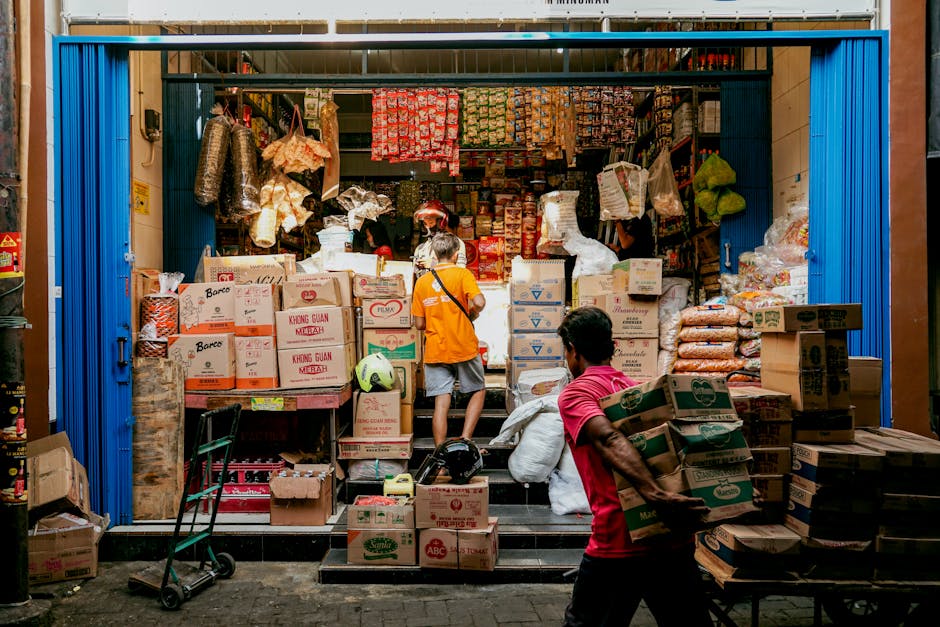
If you trade at Brixton Market, you already know rubbish builds up fast. One busy morning can leave you with cardboard, food packaging, broken boxes, old display materials, damaged stock, and the kind of awkward waste that nobody wants leaning against a stall at closing time. This Brixton Market Rubbish Removal Guide for Traders is here to make that part of the job simpler, calmer, and a lot more manageable.
Whether you run a food stall, sell clothing, work with fresh produce, or handle mixed market goods, good waste handling keeps your pitch looking professional and helps you avoid mess, delays, and avoidable trouble. The aim here is straightforward: show you how trader rubbish removal works in real life, what to watch out for, and how to choose the right approach for your stall, your schedule, and your budget.
To make things easier, this guide covers the essentials, from day-to-day rubbish sorting to compliance, cost planning, and when it makes sense to use a professional collection service rather than trying to manage everything yourself. Let's face it, no trader needs another headache.
Why Brixton Market Rubbish Removal Matters for Traders
Market trading is constant motion. Stock comes in, packaging comes off, customers leave behind bits and pieces, and at the end of the day the stall needs resetting quickly. If waste is left to pile up, it does more than look untidy. It can create safety issues, attract pests, slow down your pack-down routine, and make the whole pitch feel less inviting.
For traders in a place like Brixton Market, presentation matters. People notice details. A clean stall feels more trustworthy. A cramped, overflowing waste area does the opposite. Even if your products are excellent, messy surroundings can quietly chip away at the customer experience. You can almost feel the difference when a pitch is clean, well managed, and easy to walk past.
There is also the practical side. If you are handling recurring waste, it pays to have a proper system. Otherwise you end up making improvisations every week: stuffing bags into corners, stacking cardboard behind the table, or waiting until "later" and then realising later has become tomorrow. That's how small issues become awkward ones.
Expert summary: For market traders, rubbish removal is not just about disposal. It is part of stall management, customer presentation, safety, and efficient trading. The cleaner the system, the less friction you feel at the end of the day.
If your trading setup involves more than light rubbish, it may be worth looking at broader business waste removal support rather than trying to piece everything together yourself. That is especially true when you generate mixed waste across several trading days.
How Brixton Market Rubbish Removal Works
In simple terms, trader rubbish removal follows a few predictable stages. You identify what needs clearing, separate what can be recycled, decide what must be treated carefully, and arrange collection or transport. The details vary, but the flow is usually similar.
Typical rubbish removal flow for a market trader
- Sort waste at source. Keep cardboard, food waste, plastics, damaged stock, and general rubbish apart where possible.
- Bag and bundle efficiently. Flat-pack cardboard, seal bags properly, and make items easy to lift.
- Set aside specialist items. Appliances, confidential paper, or potentially hazardous materials need extra care.
- Choose a removal method. This might be a pre-booked collection, a same-day clearance, a regular waste arrangement, or a skip solution where suitable.
- Load and clear safely. Keep access routes open, avoid overfilling, and make sure nothing is left blocking neighbouring traders.
- Recycle and dispose correctly. Good sorting helps reduce the amount that ends up as general waste.
In practice, the best system is the one that fits your actual trading day. A food trader, for example, may have a very different waste profile from someone selling vintage clothing. One deals with greasy packaging and perishables; the other may mostly handle hangers, wrapping, and damaged display items. Different mess, same need for structure.
For traders dealing with bulkier items or regular stock turn, services linked to waste removal can be useful because they are not limited to one waste type. That flexibility matters when your rubbish is a bit of everything, which is often the case on a busy market day.
Key Benefits and Practical Advantages
Good rubbish removal is one of those behind-the-scenes things that quietly improves everything else. You may not think about it much when it is working, and then you notice instantly when it is not.
- Cleaner stall presentation: Customers respond well to tidy, organised spaces.
- Faster close-down: Less waste clutter means quicker pack-up at the end of trade.
- Lower trip and slip risk: Clear floors and walkways matter, especially in narrow market spaces.
- Better pest control: Food waste and loose packaging should never be left sitting around.
- Improved recycling rates: Cardboard, some plastics, and reusable materials are easier to separate when sorted early.
- Less stress on busy days: A clear system removes a surprising amount of pressure.
- Better neighbour relations: Nobody enjoys trading beside a spillover pile of rubbish.
There is another benefit people often overlook: decision speed. When you already know where waste goes, how it gets cleared, and who handles what, you spend less mental energy on small jobs. That sounds minor, but in a market environment where time is tight and interruptions are constant, it really adds up.
If you want to make the process smoother, it is also sensible to review recycling and sustainability options. Even modest improvements in sorting can reduce waste volume and keep more materials out of general rubbish.
Who This Is For and When It Makes Sense
This guide is for traders who generate regular waste and need a reliable way to deal with it. That includes established market stalls, pop-up traders, seasonal sellers, and businesses that run from a market-style setup with limited storage.
You may need a better rubbish removal plan if you:
- regularly end the day with several bags of waste;
- handle packaging-heavy stock;
- sell food, drinks, or fresh produce;
- have cardboard, pallets, or wrap to clear;
- store broken display items or damaged stock on site;
- need predictable collection times;
- share space with other traders and need to stay tidy.
It also makes sense if you are in a transition period. Perhaps you are expanding, changing your stall layout, or trialling a new product line. Those moments often create odd waste patterns, and the old system stops working. You notice it first in the corners. Then on the floor. Then when you are carrying out the final bag and thinking, "This is getting ridiculous."
For traders who also operate from storage rooms, offices, or mixed-use premises, a related service such as office clearance may be relevant alongside market waste collection. Not every trader is just a stallholder; some are running a small business across more than one space.
Step-by-Step Guidance
If you want a practical routine that actually works, start here. Nothing fancy. Just a clear process that is easy to repeat every trading day.
1. Map your waste types
Look at what your stall genuinely produces over a normal week. Break it down into categories such as cardboard, plastic wrap, food waste, damaged stock, reusable materials, and anything specialist. This helps you avoid mixing everything into one bag and hoping for the best. That rarely ends well.
2. Set up simple sorting points
You do not need an elaborate system. One box for cardboard, one bag for general rubbish, and one designated area for anything that needs separate handling can already make a big difference. Keep it simple enough that staff or helpers will actually use it.
3. Decide what stays and what goes immediately
Some items can wait until the end of the day. Others should be removed as soon as possible, especially food-related waste, glass, or anything messy. If an item is likely to smell, spill, or get in the way, treat it as priority waste.
4. Keep access routes clear
Before any collection, make sure the path from your stall to the waste point is free. It sounds obvious, but market spaces get tight in a hurry. One trolley left in the wrong place can turn a routine lift into a very awkward manoeuvre.
5. Book the right kind of collection
Some traders need one-off clearances after a stock refresh or stall refurbishment. Others need repeat collections. A provider that handles business waste removal can be a better fit when your volume is steady and you want less to think about day to day.
6. Document unusual items
If your waste includes appliances, confidential paper, or items that need careful handling, note that in advance. It saves confusion later and helps make sure the right disposal route is used.
7. Review what happened afterwards
After a few collections, ask yourself what slowed you down. Was it bagging? Access? Too much cardboard? This little review step is underrated. Tiny adjustments can save you time every single week.
Expert Tips for Better Results
Over time, the best waste systems tend to be boring in the best possible way. They are simple, repeatable, and hard to mess up.
- Flatten cardboard as soon as it is opened. It saves an astonishing amount of space.
- Keep a "same-day" bag. This is for waste that should not linger. It stops mixed rubbish from spreading.
- Use clear labels if staff help on your stall. What is obvious to you may not be obvious to someone covering a shift.
- Separate wet waste from dry waste. Once things become soggy, sorting is harder and smellier too.
- Plan for peak days, not quiet days. Your Monday pile may be modest; your Saturday pile may be a different story.
- Protect packaging storage areas. If cardboard sits in the weather, it becomes heavy, awkward, and less recyclable.
- Ask about safe handling for awkward items. There is no heroism in lifting something badly just to save a few minutes.
A practical example: a trader selling bottled drinks and snacks might assume waste is mostly lightweight. Then the first busy weekend comes along and suddenly there are stacks of cardboard, shrink wrap, broken trays, and wet food packaging. The volume is not huge in any one category, but together it fills more space than expected. That is normal. It just needs planning.
If you are comparing providers, looking at pricing and quotes before you book is a sensible move. The cheapest option is not always the best fit if access, timing, or waste type becomes complicated.
Common Mistakes to Avoid
Most rubbish problems at markets are not dramatic. They come from little habits that repeat until they become expensive or annoying.
- Leaving waste until the end of the week: It grows, smells, and gets harder to move.
- Mixing recyclables with general waste: That usually increases disposal volume and makes sorting harder.
- Overfilling bags: Heavy bags tear, and then everyone has a worse time.
- Ignoring awkward items: Broken fridges, contaminated materials, or damaged fittings need specific handling.
- Using the wrong collection method: A one-off clearance may be better than a recurring arrangement, or vice versa.
- Assuming someone else will sort it: In a shared market environment, that assumption is often how mess gets left behind.
One small but common slip: traders sometimes forget that staff turnover or casual cover changes the routine. If only one person understands the waste system, it is not really a system. It is a memory. And memories, to be fair, are not always reliable when the market is busy and the bell's ringing and someone wants their change quickly.
Tools, Resources and Recommendations
You do not need a complicated kit to manage trader rubbish well. A few practical tools go a long way.
- Heavy-duty bin bags: Worth it for packaging-heavy or mixed waste.
- Cardboard flattening tools or a simple cutter: Handy for reducing bulk safely.
- Labelled storage bins: Useful where multiple people handle the stall.
- Gloves and basic cleaning supplies: Not glamorous, but essential.
- Small trolley or sack barrow: Helps move loaded bags safely across the site.
- Spill kit for food stalls: Keeps things under control when something leaks or breaks.
For more specialist waste, choose the right route instead of trying to improvise. For example, refrigerating units, appliances, or mixed electrical items need careful handling, so a service such as fridge and appliance removal can be more appropriate than ordinary rubbish collection. Similarly, if your stall generates confidential paperwork, confidential shredding is the safer choice.
There is also value in understanding what can and cannot be loaded into a mixed waste system. A useful reference point is what can go in a skip, even if you are not using a skip directly. The same broad thinking helps you avoid accidental contamination.
Law, Compliance, Standards, or Best Practice
Waste handling in the UK comes with responsibilities, and traders should be cautious rather than casual. The exact legal position can depend on your setup, the type of waste, and how often you produce it, so it is wise to treat compliance as a practical priority rather than an afterthought.
In plain English, the main things to think about are:
- Duty of care: You should make sure waste is passed to a suitable, properly authorised collector or carrier.
- Waste separation: Where possible, separate recyclables, general waste, and special waste streams.
- Safe storage: Waste should not create hazards, block access, or attract pests.
- Special handling: Items such as appliances, potentially hazardous materials, or confidential paper need the right process.
- Staff awareness: Anyone helping on your stall should know the basic rules.
Best practice is often more useful than trying to memorise legal jargon. Keep records if you need them, use trusted collection arrangements, and do not leave unusual waste sitting around because nobody wants to make a decision. That route tends to backfire.
It is also sensible to review a provider's own standards around health and safety policy, insurance and safety, and terms and conditions before you book. These pages help you understand how a company approaches risk, responsibility, and service expectations.
Options, Methods, or Comparison Table
There is no single best rubbish removal method for every Brixton trader. The right choice depends on volume, waste type, frequency, and access. Here is a clear comparison to help narrow things down.
| Method | Best for | Pros | Watch-outs |
|---|---|---|---|
| Bagged waste collection | Small to medium daily waste | Simple, flexible, quick to organise | Can become inefficient if volume rises |
| Regular scheduled removal | Traders with predictable waste output | Routine, less stress, easier planning | May be less flexible during spikes |
| One-off clearance | Stock refreshes, refurbishments, sudden clear-outs | Good for bulky or unusual loads | Not ideal for ongoing daily waste |
| Skip-based disposal | Bulk rubbish in a controlled space | Useful for larger mixed loads | Needs space and proper item sorting |
| Specialist collection | Appliances, confidential waste, hazardous items | Safer and more compliant | Must match the correct waste stream |
For many traders, the most efficient route is a blend: simple daily sorting on-site, plus occasional professional collection when things build up or a special waste stream appears. That mixed approach keeps the stall tidy without overcomplicating the routine.
Case Study or Real-World Example
Picture a trader running a small food-and-goods stall on a Saturday. By mid-morning, they have packaging from fresh stock, fruit trays, cling film, paper bags, a broken display crate, and a few waste items from customer service. Nothing dramatic on its own. But by 4pm, the stall corner is crowded, the bags are getting soft from moisture, and the cardboard stack has started leaning in a way that makes everyone nervous.
The trader used to leave everything in one pile and deal with it after closing. That worked badly. The close-down took too long, the waste got messy, and every now and then a wet bag split on the way out. Not ideal at all.
After changing the process, they did three things differently: flattened cardboard as soon as it arrived, separated wet waste from dry waste, and booked a suitable removal service for higher-volume days. The result was not magic. It was just easier. Less rushing, less lifting twice, fewer spills, and a cleaner stall at the end of the day. Simple, but that is the point.
When the trader later needed to clear a damaged storage unit, they looked at builders waste clearance for the mixed rubble and packaging around the space. Different problem, same principle: match the removal method to the actual mess in front of you.
Practical Checklist
Use this quick checklist before closing up or booking a collection.
- Have all waste types been sorted correctly?
- Are cardboard and packaging flattened?
- Are any bags overfilled or unsafe to lift?
- Is food waste sealed and removed promptly?
- Are appliances, glass, or sharp items separated?
- Is the waste area clear of customer walkways?
- Have staff been told what goes where?
- Do you know which items need specialist handling?
- Is collection timing aligned with your trading hours?
- Have you checked the provider's pricing, insurance, and service terms?
One more thing: if the stall has been unusually busy, do not try to pretend the waste volume is "about normal" just to save time. Be honest about it. It usually leads to a better collection plan and fewer surprises.
Conclusion
Brixton Market rubbish removal is really about keeping your trading day smooth. A tidy stall looks better, works better, and feels easier to manage. When you sort waste properly, choose the right collection method, and stay mindful of compliance and safety, you reduce stress in a way you can actually feel.
For most traders, the best system is not the fanciest one. It is the one you can repeat under pressure, on a rainy afternoon, with tired hands and a queue waiting. That is the real test. Get that right, and everything else becomes easier.
If you are ready to improve your waste routine, compare the practical options, check what you need to clear, and book a service that fits your trading pattern rather than fighting it.
Get a free quote today and see how much you can save.
And honestly, once the stall is clear and the last bag is gone, the whole place breathes a little easier. That matters more than people think.
Frequently Asked Questions
What is the best way for Brixton Market traders to manage daily rubbish?
The best method is usually a simple sorting routine at the stall, with separate handling for cardboard, general rubbish, and any specialist waste. Small habits done consistently work better than complicated systems that nobody follows.
Can market traders use a regular waste removal service?
Yes, many traders do. If your waste output is steady, a regular business waste removal arrangement may be a practical fit. If your waste is irregular, a one-off collection may suit you better.
What kind of waste is most common at market stalls?
Cardboard, packaging, food waste, damaged stock, cling film, paper bags, and broken display materials are all common. The exact mix depends on what you sell. Food traders and non-food traders often need very different disposal routines.
Do I need to separate recycling from general waste?
Yes, where possible. Separating recyclable materials makes disposal more efficient and can reduce the amount of waste that needs general clearance. It also tends to make the end-of-day tidy-up much quicker.
What should I do with bulky or awkward items?
Set them aside safely and arrange a collection method that can handle them properly. If the item is a fridge, freezer, or other appliance, a specialist service such as fridge and appliance removal is often more appropriate.
How do I know if waste needs special handling?
If it is sharp, contaminated, confidential, electrical, hazardous, or unusually heavy, treat it as special. When in doubt, do not guess. It is much better to ask before the item is mixed into ordinary rubbish.
Is skip disposal suitable for market traders?
Sometimes, yes. It can work well for bulkier clear-outs or mixed loads if you have suitable space. If you are unsure what can go in, the guide on what can go in a skip is a good starting point.
What are the biggest waste mistakes traders make?
The biggest mistakes are leaving waste to pile up, overfilling bags, mixing recyclables with general rubbish, and not planning for peak trading days. Those issues are easy to ignore for a while, then suddenly they are a problem.
How can I keep waste from becoming a safety issue?
Keep walkways clear, seal bags properly, do not stack unstable items, and remove wet or food-related waste promptly. A tidy waste area lowers the risk of trips, slips, and spillages, especially in tight market spaces.
Should I check a waste provider's policies before booking?
Yes, absolutely. It is sensible to review things like health and safety policy, insurance and safety, and payment and security before committing. That gives you a clearer picture of how they work.
What if my stall waste changes during busy seasons?
That is very normal. Seasonal peaks often create different waste patterns, especially when packaging, stock turnover, or customer volume increases. Review your system after a busy week and adjust rather than hoping the old routine will magically cope.
Where can I learn more about environmentally responsible disposal?
It helps to read up on recycling and sustainability and use collection methods that support better sorting. Even a few practical changes can make your waste routine cleaner and more efficient.